Visiting Morocco for the first time? Getting around is easy once you know how the trains, taxis and transfers actually work. This is the honest, practical guide we wish every first-time visitor had — how to move between cities, what things cost, and how to avoid the small hassles that catch people out.
In a hurry? For airport pickups and city-to-city trips, a pre-booked private transfer is the simplest, stress-free option. Book a private transfer across Morocco →
Your options for getting around Morocco
Morocco has more transport choices than most first-time visitors expect. Here’s how they compare at a glance, from cheapest to most comfortable:
- Train (ONCF) — best value for the main north–south corridor. Comfortable, reliable, scenic.
- Intercity bus (CTM / Supratours) — reaches cities the train doesn’t, like Agadir, Essaouira and Chefchaouen.
- Petit taxi — short hops within a city.
- Grand taxi — shared or private rides between towns and to airports.
- Ride-hailing apps — available in a few big cities, with caveats (see below).
- Private transfer / chauffeur — door-to-door, fixed price, English-speaking driver. Best for airports, families and longer routes.
- Car rental — freedom to explore, but city driving and parking take nerve.
Trains: the ONCF network and Al Boraq high-speed
Morocco’s national rail operator, ONCF, reliably links Casablanca, Rabat, Kenitra, Tangier, Fes, Meknes and Marrakech. Trains are clean, air-conditioned and generally punctual, and you can choose 1st or 2nd class. For popular routes and weekends, book a day or two ahead on the ONCF website or app to guarantee a seat.
Al Boraq is Africa’s first high-speed line, running between Tangier and Casablanca via Kenitra and Rabat at up to 320 km/h — Tangier to Casablanca in about 2h10. If you’re travelling the northern corridor, it’s fast, smooth and excellent value.
Good to know: the train gets you between city stations, not to your hotel door. Marrakech and Fes have no high-speed line yet, and there’s no train to Agadir, Essaouira or Chefchaouen. That’s where buses and transfers fill the gap.
Intercity buses: CTM and Supratours
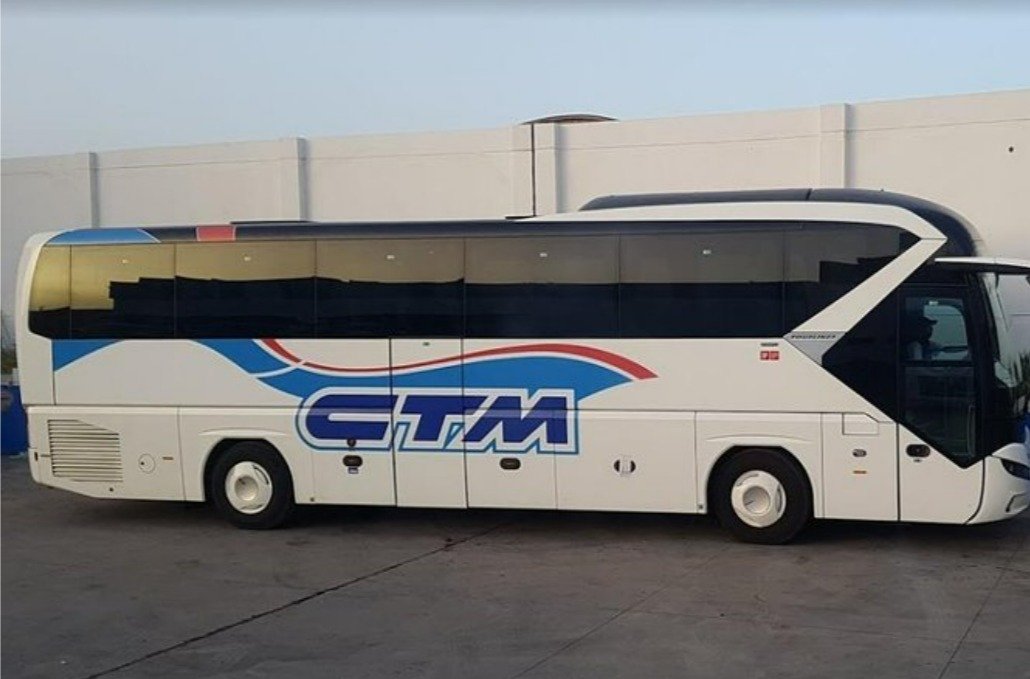
For destinations off the rail map, two operators stand out. CTM and Supratours (run by ONCF) offer comfortable, air-conditioned coaches with assigned seats and online booking — the safe, comfortable choice for Agadir, Essaouira, Chefchaouen and the smaller towns. They cost more than the crowded local buses at the main bus station (the gare routière), but the reliability is worth it. Book ahead in high season, and keep the ticket for your reserved luggage.
Petit taxi vs grand taxi: know the difference
This one confuses almost everyone at first. Morocco has two kinds of taxi:
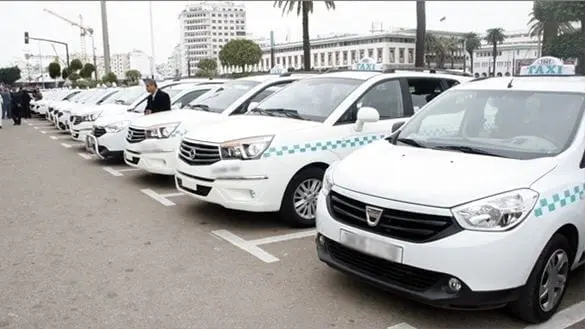
- Petit taxi — small, colour-coded by city (red in Casablanca, blue in Rabat, beige/tan in Marrakech). They carry up to 3 passengers for short trips inside the city. Insist on the meter (compteur); if the driver won’t use it, agree the fare before you set off. A short city ride is usually 10–30 MAD.
- Grand taxi — older Mercedes or vans (usually cream/white) that run fixed routes between towns and to airports. They’re shared by default (six passengers, cramped) but you can pay for all the seats to have it private. Always agree the price first.
Airport note: official airport taxis often charge a fixed, higher tariff (posted at the rank). For a set price with no negotiation on arrival, a pre-booked transfer is usually cheaper and far less stressful after a long flight.
Ride-hailing apps: what actually works
Uber left Morocco years ago, so don’t rely on it. In Casablanca and a handful of large cities you’ll find apps like Careem, inDrive and Heetch, which can be handy and let you skip fare haggling. Coverage is patchy, though — cars are scarce outside the biggest cities, and pickups at the airport can be complicated by local taxi rules. Treat apps as a bonus in Casablanca, not a plan for the whole trip.
Private transfers: the easy button
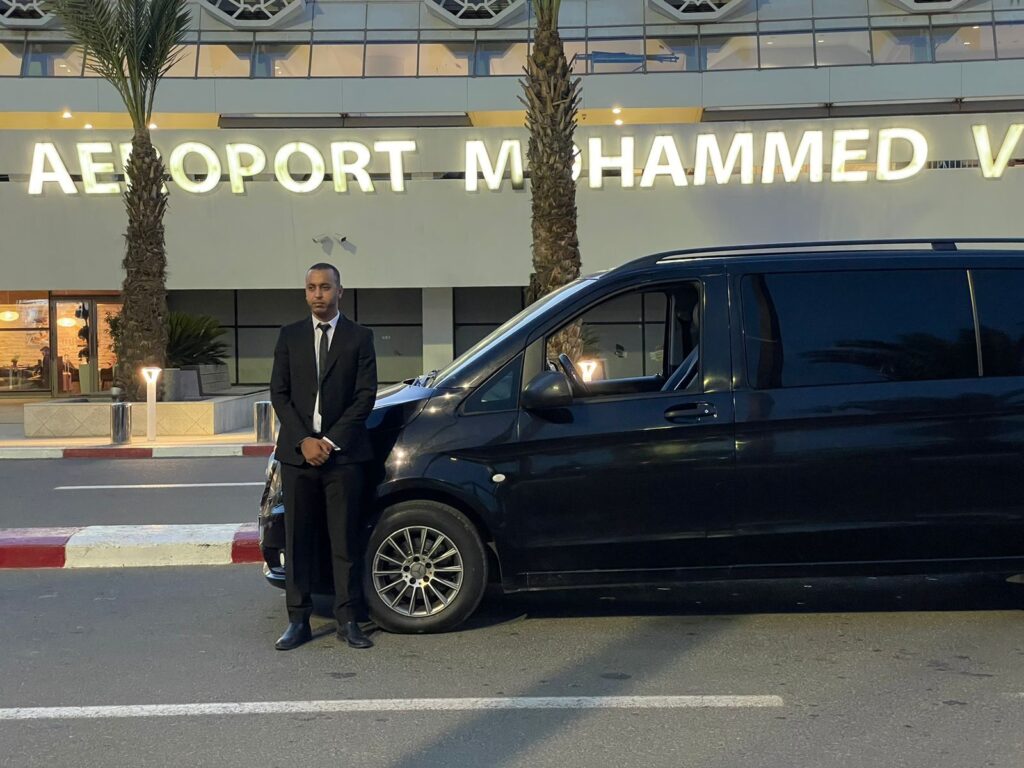
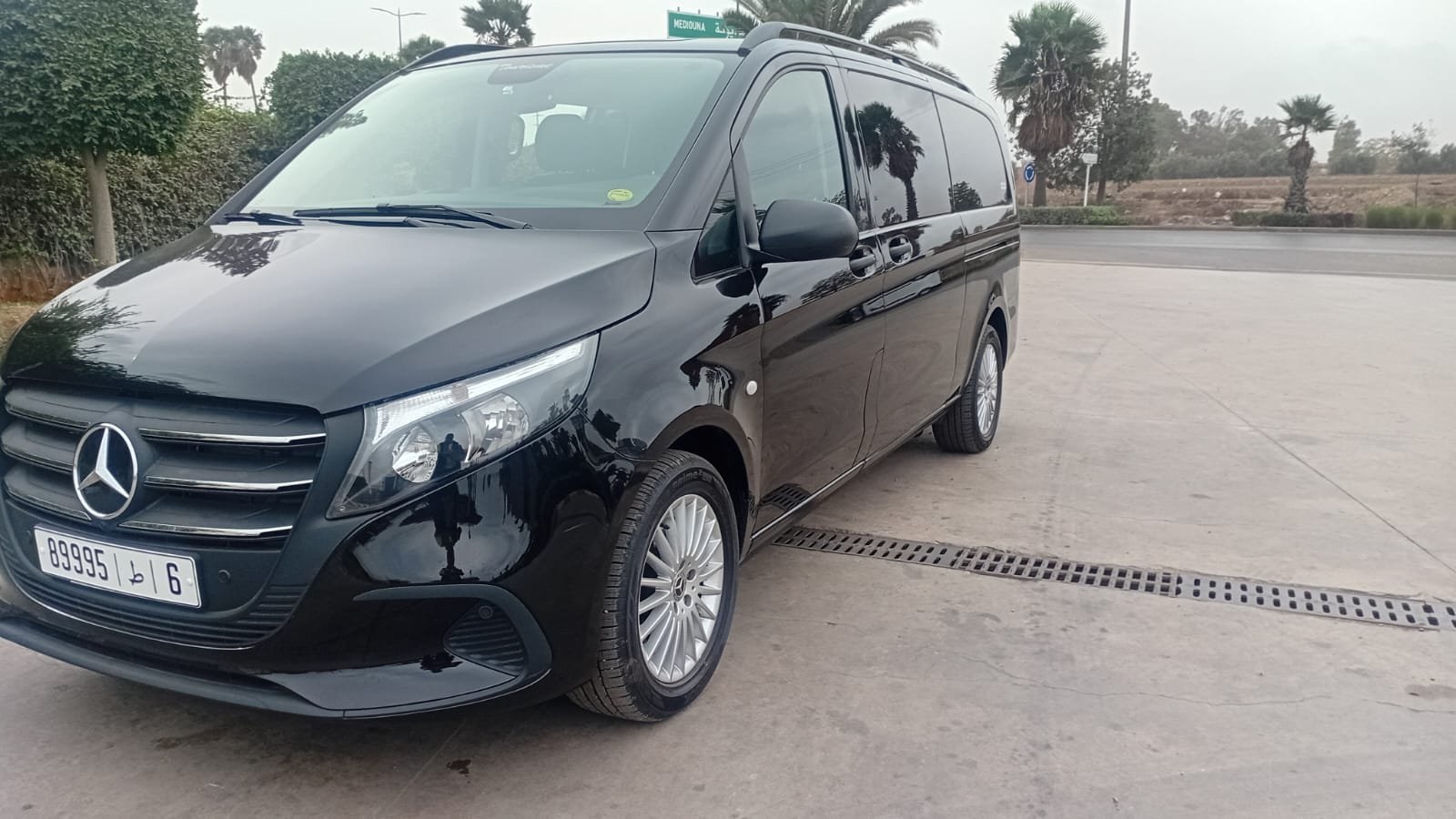
If you want to skip the guesswork entirely, a pre-booked private transfer gives you a fixed price agreed in advance, an air-conditioned car, an English- (and French-) speaking driver, and door-to-door service. It’s the sweet spot for:
- Airport arrivals — your driver waits with a name sign, and tracks your flight if it’s delayed.
- Families and groups with luggage.
- Longer city-to-city routes where you’d rather relax than drive.
- Late-night or early-morning flights.
See typical fares on our transfer price list, or read the full Morocco private transfer guide. Popular routes: Casablanca → Tangier, Casablanca → Fes and Casablanca → Agadir.
Renting a car in Morocco
Renting gives you freedom for the countryside, the Atlas Mountains and coastal drives — but be realistic about the cities. Traffic in Casablanca and Marrakech is fast and improvisational, parking is scarce, and the medinas are closed to cars. Roads between cities are good and well-signposted (in Arabic and French). If you do rent: drive on the right, watch your speed (radar checks are frequent), keep small cash for the toll motorways (autoroutes), and never leave anything visible in a parked car. Many visitors rent for the scenic legs and use transfers for airports and city centres.
Distances & travel times from Casablanca
| Route | Distance | By car | Train |
|---|---|---|---|
| Casablanca → Rabat | ~90 km | ~1h | ~50 min |
| Casablanca → Marrakech | ~240 km | ~2h30 | ~3h |
| Casablanca → Fes | ~290 km | ~3h30 | ~3h30 |
| Casablanca → Tangier | ~340 km | ~3h30 | ~2h10 (Al Boraq) |
| Casablanca → Agadir | ~460 km | ~5h | no train (bus/flight) |
| Marrakech → Essaouira | ~190 km | ~2h30 | no train (bus) |
Money, cash & tipping
The currency is the Moroccan dirham (MAD), and it’s a closed currency — you generally get it inside Morocco, not before you arrive. Withdraw from an ATM on arrival (airports have plenty) and keep small notes and coins for taxis, tips and the souk. Cards work in hotels, larger restaurants and modern shops, but cash rules with taxis, small cafés and markets.
- Tipping is customary but modest: a few dirhams for a café, 10% at a sit-down restaurant if service isn’t included, a small tip for helpful drivers and porters.
- Keep some 20 and 50 MAD notes handy — breaking a 200 for a short taxi ride is a common headache.
- Confirm the fare or price before the service, whether it’s a taxi, a guide or a market stall.
Staying comfortable & avoiding hassle
- Share your flight details with your transfer company so they can track delays and be waiting when you land.
- Always agree the fare first in any metre-less taxi.
- Be polite but firm with unofficial “guides” or anyone offering to take your bag — a friendly “la, shukran” (no, thanks) works.
- Language: Arabic and French are everywhere, and English is widely understood in tourism. A few Arabic words — salam (hello), shukran (thank you), bslama (goodbye) — go a long way.
- Distances add up: for families and longer routes, an air-conditioned private transfer turns the journey into part of the holiday rather than a chore.
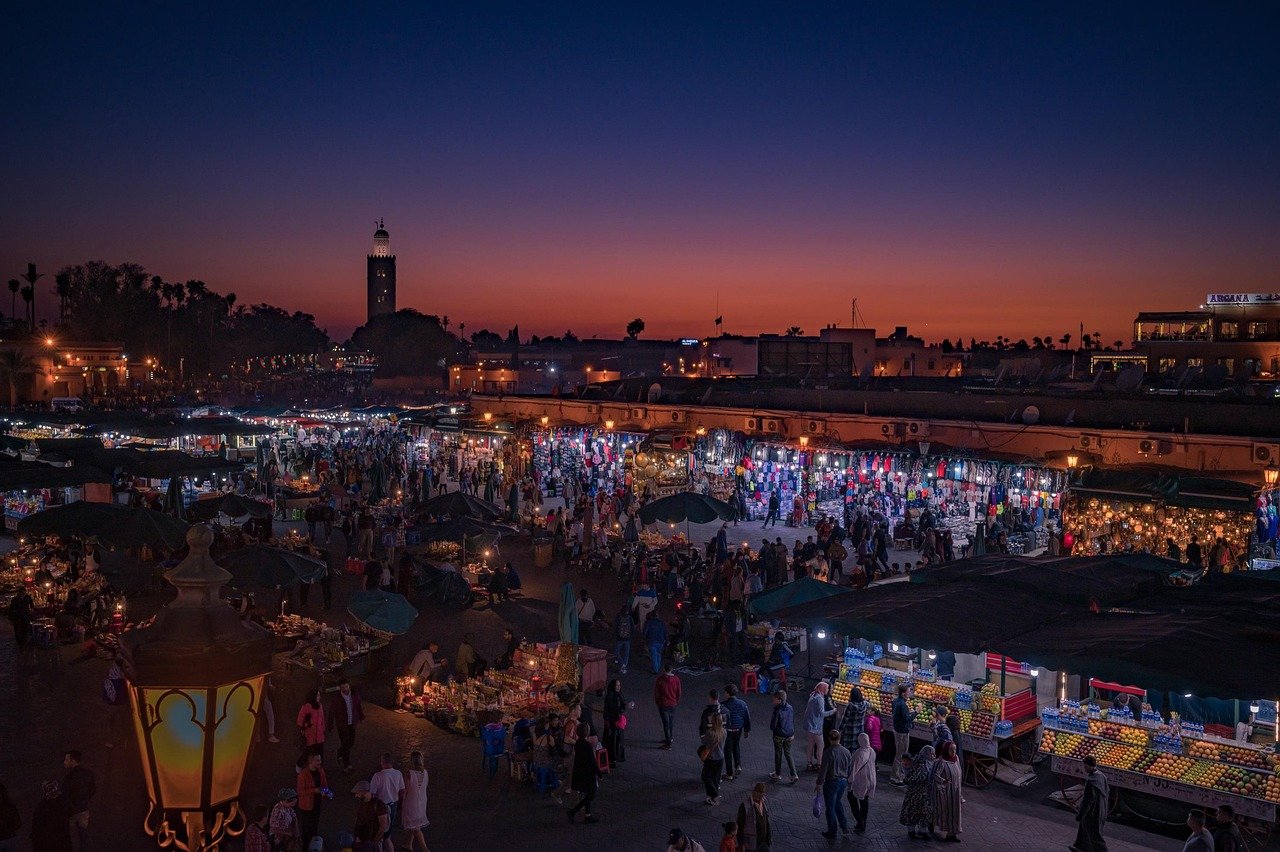
Already dreaming about your destination? Here’s what to do in Marrakech once you arrive.
Frequently asked questions
Is it safe to travel around Morocco as a first-timer?
Yes. Morocco is a well-established destination with good roads and reliable trains and buses. Use official or pre-booked transport, agree fares in advance, and keep the usual big-city awareness about your belongings.
Should I take the train or a private transfer?
Take the train for solo or couple travel along the Casablanca–Rabat–Tangier corridor — it’s fast and cheap. Choose a private transfer for airport pickups, families with luggage, night flights, or routes with no direct train (like Agadir or Essaouira).
Can I use Uber in Morocco?
No. Uber no longer operates in Morocco. In Casablanca you’ll find Careem, inDrive and Heetch, but coverage is limited outside the biggest cities, so don’t build your trip around ride-hailing apps.
How much should I tip drivers?
Tipping is modest and appreciated rather than expected — a few dirhams for a short taxi ride, or 20–50 MAD for a helpful long-distance or airport driver.
Ready to travel stress-free? Book your private transfer →